
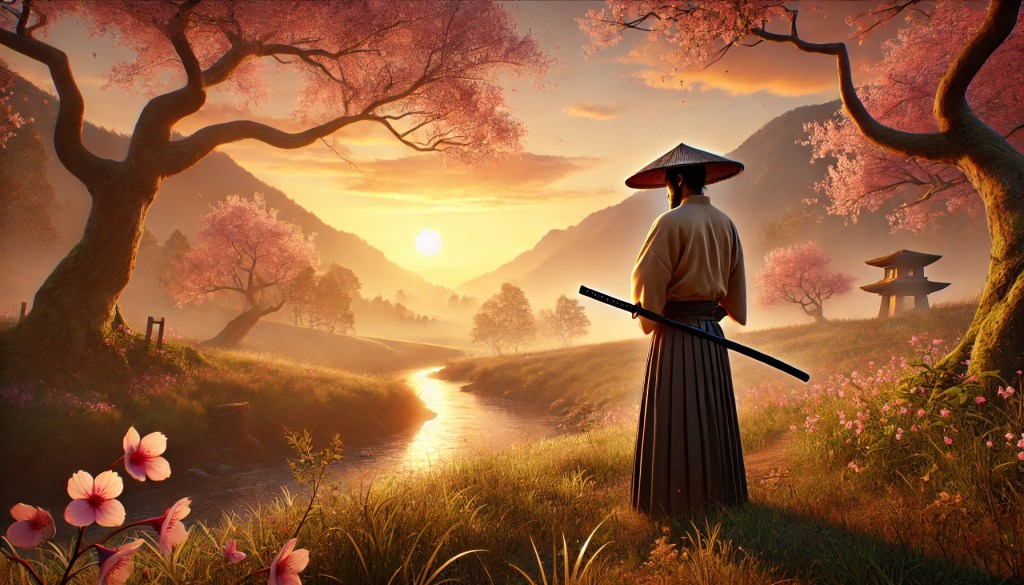
Miyamoto Musashi’s precept “The ultimate aim of martial arts is not having to use them” might initially sound paradoxical. Why devote years to mastering techniques you hope never to employ? Yet this principle, echoed in many warrior traditions, underscores that true mastery entails self-restraint, conflict resolution, and a deep sense of responsibility. Rather than glorifying violence, authentic martial arts seek to cultivate moral character, discipline, and the capacity to defend peace rather than disturb it.
In practical terms, a well-trained martial artist becomes aware of both their power and the potential repercussions of using it. Because they fully understand the damage a well-placed strike can inflict, they are less likely to engage in reckless aggression. The training process also instills respect—for themselves, for their teachers, and even for would-be adversaries. This mindset fosters humility, which often defuses conflicts before they escalate.
From a broader social perspective, martial artists who truly embody this precept become advocates for harmony. They might teach self-defense to vulnerable communities or serve as mediators, stepping in to prevent violence. Their credibility arises from genuine skill and calm confidence, enabling them to stand between aggressors and victims. People who know they can fight effectively are often the first to seek peaceful resolutions—a phenomenon referred to by some as “capable guardianship.”
Psychologically, the aim of never needing to fight can also be interpreted as mastering one’s inner struggles. By conquering personal fears, anger, and insecurities in the training hall, you reduce the likelihood of external conflict. The dojang, dojo, or gym becomes a crucible where you face your limitations, learning to manage ego-driven impulses. This self-control extends into daily life—when someone cuts you off in traffic or a colleague provokes you, the urge to lash out is tempered by the discipline you’ve developed.
Moreover, avoiding the use of martial skill aligns with the idea that strength is most valuable when it promotes safety and stability. A wise ruler or leader uses power judiciously, only resorting to force as a last resort. Similarly, a martial artist who truly grasps the art’s essence understands that real victory is found in preventing harm, not in dominating others for personal gain. This is why so many martial arts traditions emphasize courtesy, respect, and compassion as integral parts of training.
For those outside formal martial disciplines, the principle still applies metaphorically. If you have a specialized skill—be it in negotiation, technology, or leadership—it’s best used in a constructive, peace-sustaining manner. Knowing you could leverage your skill aggressively but choosing not to is a mark of maturity. Instead, you harness your abilities for collaborative solutions, only wielding them forcefully when no other viable option remains.
In a world rife with conflict and power imbalances, Musashi’s insight serves as a reminder that might does not make right. True mastery—be it physical, intellectual, or social—should be guided by ethical restraint. To train diligently yet strive never to harm is not contradictory. It represents the highest expression of moral responsibility, ensuring one’s formidable capabilities to protect and elevate rather than destroy.
Ultimately, “The ultimate aim of martial arts is not having to use them” embodies the spirit of a peaceful warrior. It honors the disciplined practice of self-improvement while prioritizing harmony over conquest. Thus, the journey of martial training becomes both an outer and inner path, forging individuals who are prepared to defend what’s right yet continually seek ways to avoid unnecessary violence. It’s a timeless ideal, resonating with the best of humanity’s traditions of wisdom and compassion.
©Excellence Reporter 2025
Share this:

Categories: Awakening





 Excellence Reporter
HI Nicolae, W-a-y back in the day, as a student, I took some classes in basic martial arts, including ju-jitsu and karate. The sensei said to us at the time something to this effect: “Instead of to use your skills to fight, I want you to run from a fight. But, you’ll run with confidence.” Craig
LikeLiked by 1 person
Beautifully said! Thank you Craig
LikeLike