
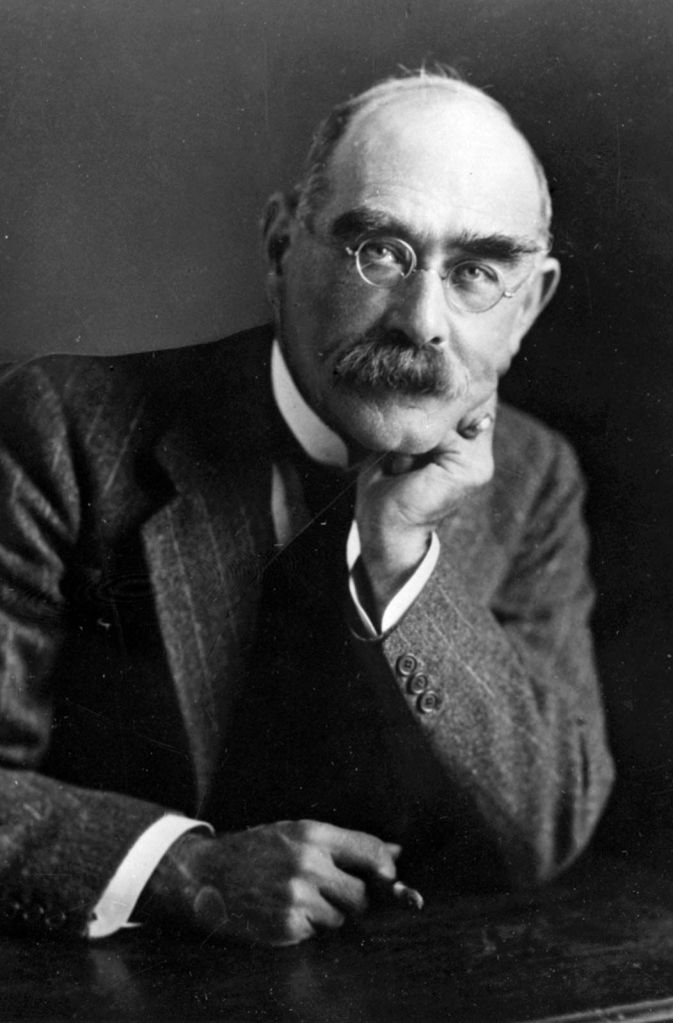
Rudyard Kipling, the British author and poet best known for The Jungle Book and the iconic poem If—, remains one of the most insightful commentators on life’s trials, virtues, and complexities. Beyond the imperial backdrop of his work lies a deep, often hard-won understanding of character, resilience, and the paradoxes of human nature. To explore life through Kipling’s lens is to wrestle with contradiction, responsibility, and courage—not as abstract ideals, but as daily practices.
Kipling was a man shaped by extremes. Born in Bombay in 1865 and later educated in England, he lived between cultures, witnessing both the beauty and brutality of empire. He was celebrated and criticized, adored and reviled. And yet, through all of this, his writings ring with a clear, unflinching voice on what it means to live with purpose.
In his famous poem If—, Kipling condenses his worldview into 32 lines of enduring power. The poem is not a soft encouragement but a firm challenge. “If you can meet with Triumph and Disaster / And treat those two impostors just the same,” he writes. Life, he insists, is not about avoiding hardship, but meeting it with grace and grit. Triumph can puff you up. Disaster can crush you. Neither is permanent. The wise person knows this and stays the course.
On Endurance and Character
Kipling’s concept of manhood—or more broadly, maturity—is rooted in stoicism and self-mastery. In If—, he encourages:
“If you can keep your head when all about you
Are losing theirs and blaming it on you…”
In an age of constant noise, pressure, and blame, these lines feel more relevant than ever. Kipling isn’t asking for perfection. He’s demanding inner steadiness. To live well, according to Kipling, is to take full ownership of your emotions, reactions, and choices—even when the world is falling apart.
That doesn’t mean being cold or unfeeling. It means being centered. Kipling’s life—marked by the early loss of his daughter, the death of his son in World War I, and public controversies—proved that resilience doesn’t come from denial, but from facing grief with honesty and continuing to live with purpose.
Work, Words, and Worth
Kipling’s view of work was similarly uncompromising. In If—, he advises:
“If you can fill the unforgiving minute
With sixty seconds’ worth of distance run…”
To Kipling, every moment is a test of will and effort. Wasting time, or treating life casually, was to fail not just yourself but the greater human story of effort and struggle. He celebrated the dignity of labor—manual, intellectual, moral. His story The Man Who Would Be King doesn’t mock ambition, but critiques arrogance divorced from humility and responsibility.
He believed in the power of words, but also in their weight. In his 1890 poem The Conundrum of the Workshops, he warns against shallow criticism:
“It’s clever, but is it Art?”
For Kipling, true creativity demanded more than cleverness. It required discipline, purpose, and substance. Life is the same. It’s not enough to talk, plan, or dream. You must do—and do well.
The Jungle Within
In The Jungle Book, Kipling gives us another vision of life—one rooted in nature, instinct, and law. Mowgli’s journey from boy to man is filled with metaphor. Raised by wolves, mentored by Baloo and Bagheera, and threatened by Shere Khan, Mowgli learns that freedom comes with rules. Kipling’s famous Law of the Jungle isn’t about oppression—it’s about balance:
“Now this is the Law of the Jungle—as old and as true as the sky…
The strength of the Pack is the Wolf, and the strength of the Wolf is the Pack.”
In other words, individuality and community must support each other. You can’t survive alone. But you also must be strong, reliable, and self-aware to support others. Life, for Kipling, is not just about finding your place—but earning it.
On Loss and Letting Go
One of Kipling’s most profound life lessons comes from his confrontation with loss. After his only son, John, died in World War I, Kipling was never the same. He had encouraged his son to enlist, despite John’s poor eyesight. The guilt haunted him. But rather than retreat, he turned his grief into action—helping to identify fallen soldiers, writing war memorials, and documenting the stories of the lost.
His poem My Boy Jack captures the stoicism and sorrow of a man who knows the cost of duty:
“Have you news of my boy Jack?”
“Not this tide.”
“When d’you think that he’ll come back?”
“Not with this wind blowing, and this tide.”
There’s no false hope. No sugarcoating. Just the enduring ache of love and loss. Kipling reminds us: to love deeply is to risk deeply. Life will break your heart. The point is not to avoid the breaking, but to keep living with that break inside you—and to keep building.
The Cost of Greatness
Kipling’s vision of life isn’t gentle, but it’s not cruel either. It’s honest. Greatness costs. Honor costs. Even simple decency has a price. But Kipling insists that paying the price is worth it.
He closes If— with a simple, powerful reward:
“Yours is the Earth and everything that’s in it,
And—which is more—you’ll be a Man, my son!”
Manhood, here, is not about gender, but about character. It is the ultimate measure of maturity: not age, power, or position, but the ability to act justly, think clearly, and endure fiercely.
Why Kipling Still Matters
In an age obsessed with instant gratification, curated self-images, and the relentless pursuit of comfort, Kipling’s vision of life is both bracing and liberating. He does not promise ease. He promises meaning. He does not offer escape. He offers engagement. And he insists that life is not given—it’s earned, through the daily choices we make to stand, to serve, to persist.
His words are a mirror. Sometimes they flatter. Often, they challenge. But always, they reflect a life lived with conviction.
So, if you can face your fears, rise after every fall, work without whining, dream without drifting, and lose without quitting—then, Kipling might say, you’re living well.
And perhaps that’s the best we can do: to meet life on its terms, and still choose to make something good of it. Every day.
***
~Rudyard Kipling (1865–1936) was a British author, poet, and journalist best known for The Jungle Book, Kim, and the poem If—. He was the first English-language writer to win the Nobel Prize in Literature (1907) and remains known for his reflections on empire, character, and resilience. His work blends storytelling with profound insights on human nature, duty, and endurance.
©Excellence Reporter 2025
Share this:

Categories: Wisdom of Life




 Excellence Reporter
“Beware of overconcern for money, or position, or glory. Someday you will meet a man who cares for none of these things. Then you will know how poor you are.”
—Rudyard Kipling
LikeLiked by 1 person
🙏
LikeLike