
“The bravest are surely those who have the clearest vision of what is before them, glory and danger alike, and yet notwithstanding, go out to meet it.”
“Self-control is the chief element in self-respect, and self-respect is the chief element in courage.”
“Most people, in fact, will not take the trouble in finding out the truth, but are much more inclined to accept the first story they hear.”
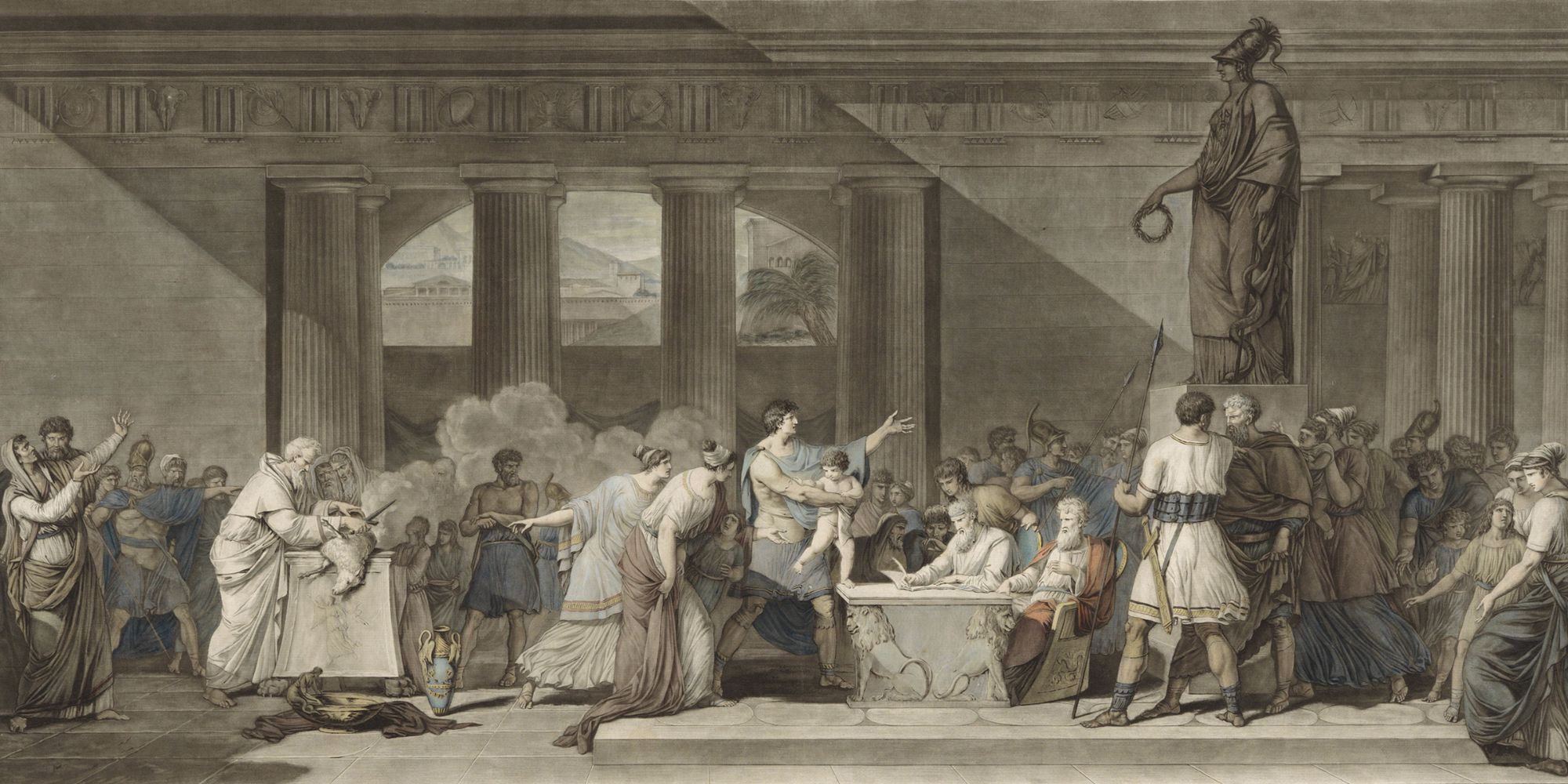
Thucydides, the ancient Greek historian best known for The History of the Peloponnesian War, was more than a chronicler of conflict. He was a keen observer of human nature, power, and politics. His writing—clear-eyed, unsparing, and deeply insightful—reveals a kind of timeless wisdom. Though he lived in the fifth century BCE, his understanding of ambition, fear, justice, and leadership still rings true. His words offer not only a study of war but a philosophy of life rooted in realism, responsibility, and resilience.
Thucydides did not write history to entertain or comfort. He wrote to preserve truth. “What was done was done,” he declared, insisting that facts should not be twisted to suit myths or national pride. For him, wisdom began with seeing clearly, and seeing clearly meant cutting through illusion. In a world of spin and wishful thinking, his insistence on facing reality has enduring value. He believed that by studying past actions—unvarnished and unromantic—we can better understand the present and prepare for the future. “So that knowledge of the past may serve as an aid to understanding the future, which in the course of human things must resemble if not reflect it.” The past, for Thucydides, was not gone. It was a mirror.
One of his most haunting insights is his view on human nature: that it remains constant. Ambition, fear, and self-interest often drive individuals and states alike. He wrote, “It is a general rule of human nature that people despise those who treat them well and look up to those who make no concessions.” In other words, people often respect power more than kindness. While this may seem cynical, Thucydides was not promoting cruelty—he was warning against naïveté. He believed that understanding the forces that truly move people helps us make better decisions and avoid unnecessary suffering.
He observed how crisis reveals character. In times of peace, people appear virtuous, but in chaos, true natures emerge. During the plague that struck Athens, he noted how social norms collapsed and selfishness surged. “Fear of gods or law of man there was none to restrain them,” he wrote. This was not just a report on disease—it was a meditation on the fragility of civilization. Yet even in such darkness, Thucydides saw the potential for clarity. Crisis stripped away the false, leaving only what was real. And sometimes, what is real is the first step to what is wise.
One of his most quoted lines is brutally honest: “The strong do what they can and the weak suffer what they must.” It’s not an endorsement of injustice—it’s a warning. Power is real, and morality alone doesn’t stop violence. To survive and thrive, one must not only dream of justice but understand the mechanics of strength. Thucydides urges us to see the world as it is, not as we wish it to be. That is the foundation of wisdom: facing facts without flinching.
And yet, he also reminds us that glory is not in domination but in endurance and courage. “The secret to happiness is freedom… and the secret to freedom is courage.” These words are a call to act boldly, not recklessly, but with resolve. For Thucydides, courage wasn’t just for warriors—it was for citizens, thinkers, and leaders. Freedom, in his eyes, had to be earned and defended, not only by armies but by individual strength of will.
Thucydides believed deeply in the weight of individual choice. History, he shows us, is not just the drift of fate—it is made by decisions. “The events of the future, which will someday be the past, will be judged by what you do now.” This isn’t just about war. It’s about how we live. Our actions echo. Our choices matter. Responsibility, not luck, shapes a life of purpose.
And purpose, for Thucydides, required self-knowledge. He respected the ability to recognize one’s limits, to calculate risks, and to resist being swept up by passion. “Ignorance is bold and knowledge reserved,” he said. In a world that often rewards loud confidence over quiet competence, his respect for measured thinking is both sobering and empowering. Don’t be dazzled by bluster. Wisdom is calm.
He also gave voice to the tragedy of greatness—the way success can sow the seeds of its own undoing. Athens, in its golden age, overreached. Hubris followed triumph, and pride turned into downfall. “It is frequently the fault of those who have most authority,” he warned, “that their errors are most fatal.” The higher you rise, the more careful you must be. Thucydides does not scold—he teaches. Through the fall of empires, he shows the risks of arrogance and the need for humility, even in strength.
Yet his work is not hopeless. Beneath the grim clarity lies a fierce respect for those who try—who lead with courage, who think critically, who hold themselves to a higher standard. “We secure our friends not by accepting favors but by doing them,” he wrote, reminding us that real loyalty is earned by action. Strength without honor is empty. Power without principle is unstable. Thucydides believed the best leaders combined realism with restraint, vision with virtue.
Ultimately, his wisdom is a call to grow up—not to give up. Life is not fair, but it is understandable. People are flawed, but predictable. Power shapes events, but character shapes destiny. The world is not simple, but it is navigable—if we are honest, courageous, and thoughtful. He gives us no illusions, but he gives us tools.
Read Thucydides not for comfort, but for clarity. Let his words challenge your assumptions. Let them strip away fantasy. What remains is sharper, tougher, truer. In a time that often prizes appearance over substance, his voice is a reminder that wisdom begins when we stop pretending and start seeing clearly. As he once said, “The bravest are surely those who have the clearest vision of what is before them, danger as well as glory, and yet notwithstanding, go out to meet it.” That’s not just a formula for war. It’s a way to live.
***
~Thucydides (c. 460 – c. 400 BC) was an Athenian historian and general. His History of the Peloponnesian War recounts the fifth-century BC war between Sparta and Athens until the year 411 BC. Thucydides has been dubbed the father of “scientific history” by those who accept his claims to have applied strict standards of impartiality and evidence-gathering and analysis of cause and effect, without reference to intervention by the gods, as outlined in his introduction to his work.
©Excellence Reporter 2025
Share this:

Categories: Wisdom of Life








 Excellence Reporter