
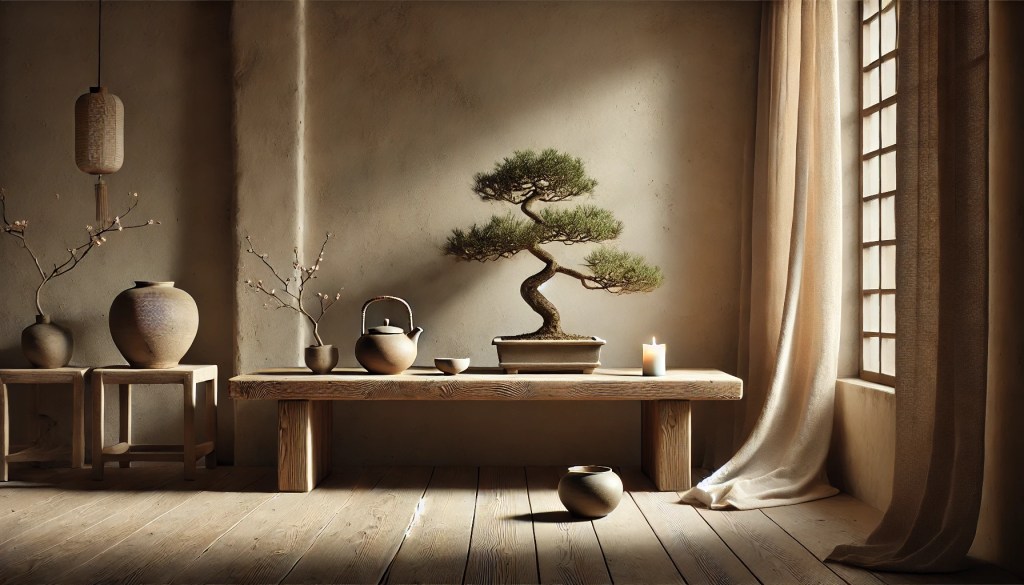
From a young age, we learn to associate beauty with outward appearances: a pleasing face, a symmetrical figure, or a pristine landscape. Magazines, advertisements, and social media reinforce a narrow definition of aesthetics, celebrating airbrushed perfection. Yet, as we delve deeper into the Wabi-Sabi perspective, we discover that true beauty transcends surface-level impressions. It is a felt experience—something that resonates within us, stirring our compassion, humility, and capacity for wonder. When we speak of beauty in the Wabi-Sabi sense, we refer to a gentle force that touches the soul, urging us to connect with life more deeply.
Consider the difference between looking at a photograph of a forest and walking among towering trees. The first might please the eyes, but the second envelops our entire being: the scent of pine needles, the crunch of fallen leaves, the gentle rustle of the wind through branches. In that moment, beauty is not merely observed but experienced on a soul level. We feel it in our breath, our heartbeat, and our heightened sense of belonging. This holistic engagement points to a truth: real beauty weaves together sensory perception with emotional resonance.
Wabi-Sabi encourages us to find beauty in the ordinary and the unrefined, such as a chipped teacup, a weathered wooden fence, or the wrinkles of a loved one’s hands. These simple, “imperfect” aspects of life hold stories and emotions that speak to us in more profound ways than a flawless surface ever could. When we pause to contemplate the chipped teacup, we might notice the unique history behind each crack—a testament to time, use, and care. In recognizing these signs of life, our soul stirs with empathy and a sense of connection to all that has come before. That is the gateway to true beauty.
Similarly, human relationships exemplify how beauty is a feeling, not a façade. Two people might appear unremarkable to an outside observer, but the tenderness they share, the kindness in their interactions, can radiate a quiet brilliance that outshines the most conventionally attractive appearance. When we focus on these intangible qualities—love, kindness, vulnerability—we discover that beauty is an energy, a gentle presence that enlivens our spirit and invites us to open our hearts.
This idea also applies to self-perception. We may chase ideals of physical perfection, hoping to feel “beautiful” if we can just fix perceived flaws. However, even after achieving a certain look, many find that the sense of fulfillment is fleeting. True self-acceptance and genuine inner beauty can’t be captured by a mirror; it resides in how we perceive ourselves at the soul level—worthy, enough, and interconnected with the world around us. When our self-love is grounded in something deeper than external validation, we radiate a beauty that transcends appearance.
Wabi-Sabi’s concept of beauty aligns closely with a spiritual perspective: it teaches that there is a subtle essence permeating all things, and if we pause to sense it, we’ll discover a profound awe. Whether it’s a droplet of dew on a leaf at dawn or the compassionate words we offer a friend in need, what moves us has less to do with polished surfaces and more to do with authentic presence. In these moments of clarity, we realize that beauty is an inner stirring—the soul’s recognition of something resonant, tender, and true.
By shifting our focus from what the eyes see to what the soul feels, we invite more depth, compassion, and wonder into our daily lives. A crack in the concrete can reveal a tiny bloom, a so-called imperfection that suddenly becomes luminous. True beauty, as Wabi-Sabi shows us, is an unfolding experience—a loving resonance that reminds us we are part of something vast, intricate, and deeply meaningful.
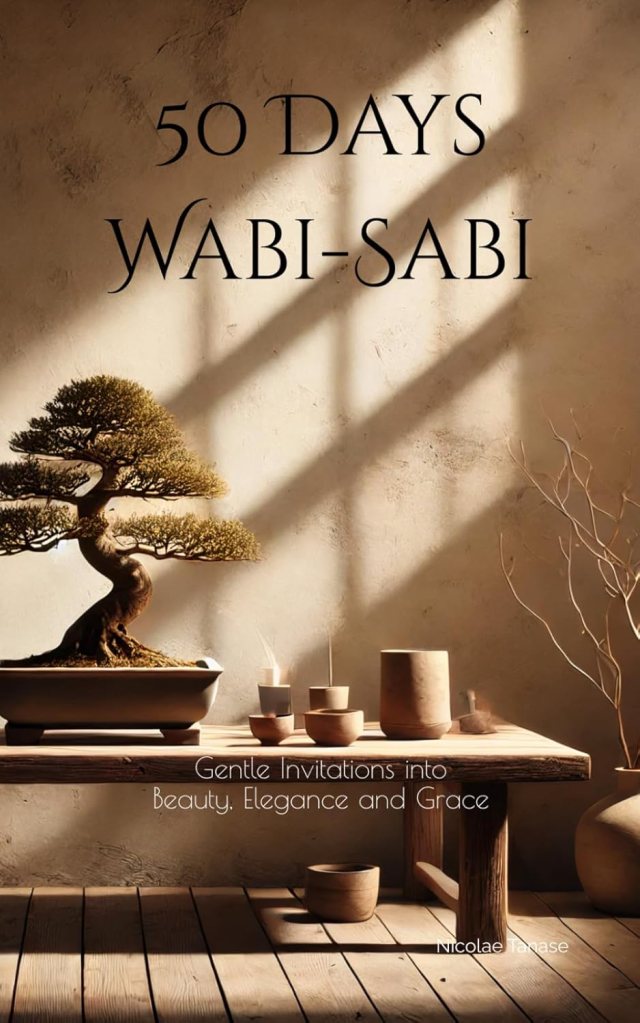
Excerpt from 50 Days Wabi-Sabi: Gentle Invitations into Beauty, Elegance and Grace by Nicolae Tanase
©Excellence Reporter 2025
Share this:

Categories: Wabi-Sabi




 Excellence Reporter